
Importance of Soil Testing Before Construction
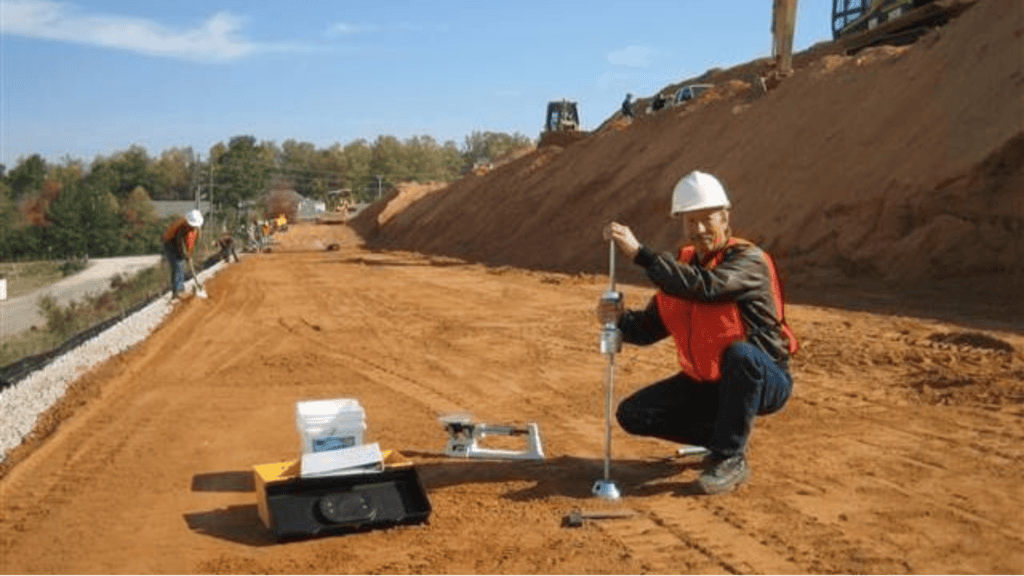
Constructing a home or commercial building is one of the biggest investments anyone can make. Before laying the first brick, understanding the condition of the land is one of the most important steps. SLV Ventures believes that every successful construction project starts with proper planning, and soil testing is a critical part of that process. Whether you are planning home construction, residential construction, or a commercial project, soil testing helps ensure the structure is safe, durable, and built to last.
Why Is Soil Testing Important Before Construction?
Before beginning any construction work, engineers need to understand the characteristics of the soil. Different types of soil have different load-bearing capacities, moisture content, and stability. Without this information, designing a safe foundation becomes difficult.
Professional soil testing services help determine whether the land is suitable for construction and identify any potential challenges before work begins. The information collected during soil analysis enables structural engineering experts to design foundations that match the site’s conditions.
Instead of relying on assumptions, builders can make informed decisions that improve safety, reduce risks, and increase the lifespan of the building.
What Is Soil Testing for Construction?
Soil testing for construction is the process of collecting and analyzing soil samples from a construction site. Engineers study the soil’s physical and chemical properties to determine how it will perform under the weight of a building.
The testing process generally includes:
- Soil sample collection
- Soil bearing capacity (SBC) testing
- Moisture content analysis
- Density testing
- Compaction testing
- Groundwater level assessment
- Soil classification
- Laboratory testing
- Engineering recommendations
The final report provides valuable information that architects, civil engineers, and construction companies use while designing the building’s foundation.
How Does Soil Testing Affect the Foundation?
The foundation transfers the weight of the building to the ground. If the soil cannot support the load, the building may experience uneven settlement, cracks, or even structural failure.
By performing proper soil testing, engineers can determine:
- The most suitable type of foundation
- Required foundation depth
- Soil bearing capacity
- Drainage requirements
- Groundwater conditions
- Safe construction methods
This information ensures that the foundation is designed according to actual site conditions instead of assumptions.
For example, sandy soil, clay soil, and rocky soil all behave differently. A foundation suitable for rocky soil may fail if used on soft clay without proper engineering modifications.
What Information Does Soil Analysis Provide?
A detailed soil analysis offers valuable insights into the site’s characteristics.
It helps engineers understand:
- Soil composition
- Load-bearing capacity
- Moisture content
- Density
- Soil layers
- Compaction level
- Groundwater table
- Expansion and shrinkage properties
- Drainage conditions
These factors influence every stage of construction, from excavation to foundation design and structural planning.
Can Soil Testing Save Construction Costs?
Many people think soil testing is an additional expense. In reality, it is one of the best investments during home construction.
When builders know the exact soil conditions beforehand, they can avoid unnecessary excavation, redesigns, and structural modifications later.
Proper soil testing services help reduce:
- Foundation repair costs
- Construction delays
- Material wastage
- Unexpected engineering changes
- Water-related issues
- Maintenance expenses
- Structural damage
Although soil testing represents only a small percentage of the total construction budget, it can save significant money over the lifetime of the building.
What Happens If Soil Testing Is Skipped?
Skipping soil testing may lead to serious structural and financial problems.
Common issues include:
- Foundation settlement
- Wall cracks
- Floor unevenness
- Water seepage
- Poor drainage
- Structural instability
- Increased maintenance costs
- Reduced building lifespan
In extreme cases, buildings may require expensive strengthening work or complete reconstruction.
For homeowners, these problems can become long-term financial burdens that could have been prevented through proper soil testing for construction.
How Does Soil Testing Improve Structural Engineering?
Modern structural engineering depends heavily on accurate site data. Engineers cannot safely design a building without understanding the soil beneath it.
Soil testing helps engineers calculate:
- Safe structural loads
- Foundation dimensions
- Reinforcement requirements
- Retaining wall design
- Basement construction feasibility
- Earthquake resistance considerations
Using real soil data allows engineers to create efficient and economical designs while maintaining safety standards.
Why Is Land Survey Important Along With Soil Testing?
A professional land survey complements soil testing by providing accurate site measurements, boundaries, and elevation details.
While soil testing examines underground conditions, a land survey focuses on the site’s physical layout.
Together, they help in:
- Site planning
- Foundation placement
- Drainage planning
- Utility planning
- Road access
- Construction approvals
Combining both services minimizes errors during project execution and ensures better planning.
Which Projects Require Soil Testing?
Many people assume soil testing is necessary only for large commercial buildings. In reality, every construction project benefits from it.
Soil testing is recommended for:
- Home construction
- Residential construction
- Villas
- Apartments
- Commercial buildings
- Industrial projects
- Warehouses
- Schools
- Hospitals
- Farmhouses
- Office buildings
Regardless of project size, understanding the soil conditions leads to safer and more reliable construction.
Why Choose SLV Ventures for Soil Testing and Construction Support?
SLV Ventures stands out by combining soil testing services, soil analysis, land survey, and structural engineering expertise to provide complete construction support. Unlike companies that focus only on execution, SLV Ventures emphasizes proper planning and technical evaluation before construction begins.
With accurate site analysis and expert guidance, SLV Ventures helps clients choose the right foundation solutions, reduce construction risks, and build safe and durable structures. Whether it is home construction, residential construction, or commercial projects, the company ensures every project starts with a strong foundation.
Explore our services: https://slvventures.co.in/services/
FAQ
1. Why is soil testing important before construction?
Soil testing ensures the ground is strong enough to support your building safely.
2. When should soil testing be done?
It should be done before construction begins, during the planning stage.
3. What are the benefits of soil testing?
It helps prevent foundation issues, reduces construction risks, and improves the durability of the building.
4. Does every construction project need soil testing?
Yes. Soil testing is recommended for residential, commercial, and industrial construction projects.
5. Does SLV Ventures provide soil testing?
SLV Ventures works with qualified geotechnical experts to ensure proper soil testing before starting construction for safe and long-lasting structures.
Conclusion
Soil testing before construction is essential for building a safe, stable, and long-lasting structure. It helps identify soil conditions, design the right foundation, and avoid costly future repairs. With expertise in soil testing services, structural engineering, and construction solutions, SLV Ventures helps clients build with confidence and achieve successful construction outcomes.
Follow us on instagram: https://www.instagram.com/slvventures_/